Ask an audiologist: My partner sometimes forgets to wear their hearing aids. How can I help?
Get the inside scoop from hearing expert Monica Murray of UnitedHealthcare Hearing.

Many people start to notice hearing problems as they age. And wearing hearing aids could make a big difference. Whether you’re new to the world of hearing aids or you’ve been wearing these devices for a while now, it’s normal to have some questions. In this series, an expert audiologist at UnitedHealthcare Hearing gives helpful advice about common concerns.
Question
My spouse doesn’t always wear their hearing aids. How can I encourage them to get into a regular habit without nagging?
Answer
It can be frustrating when a spouse or partner doesn’t wear their hearing aids. If they can’t hear well, daily conversations and activities are tougher for both of you. Wearing their hearing aids can benefit your spouse’s overall health, too. So it’s great that you want to support them.
It may just be that your partner doesn’t always remember to insert their devices. Or maybe they don’t like wearing hearing aids for another reason. Here are some tips that can help you understand what’s going on — and how to give your loved one the gentle nudge they need.
Are they forgetting to put their hearing aids in? If that’s the case, suggest ways your spouse can make it part of a daily routine. Some ideas:
- Keep their hearing aid charger next to their pill organizer and put their devices in at the same time they take their medication each morning.
- Keep their hearing aid charger on the kitchen counter and put them in after their morning coffee. Or before they head out for the day.
- Set a recurring morning reminder on their smartphone. Some hearing aid apps can also remind the user to wear their hearing aids.
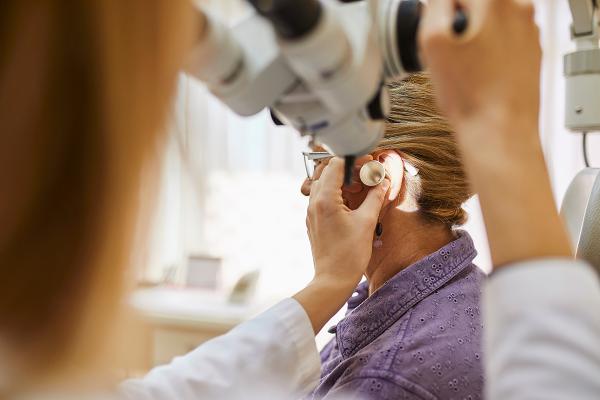
Help keep your hearing healthy
UnitedHealthcare Hearing helps members access hearing exams, hearing aids and more. Sign in to learn more and check eligibility.
Are their hearing aids uncomfortable? This could be another reason your partner doesn’t want to wear their devices. Sometimes hearing aids are too loud or too soft. Or the fit needs to be adjusted. It’s important to know that hearing aids should not hurt. Encourage your spouse to make an appointment with their hearing care provider, who can adjust the fit and fix any sound issues.
With new hearing aids, I suggest that your spouse try them out at home first. Start slow and get used to them. Sometimes people make the mistake of wearing new hearing aids only in their most challenging environments, like in a crowded public space, which isn’t ideal. Wear them for a few hours a day in a quiet situation, and then gradually build up.
Do they feel self-conscious about wearing hearing aids? Sometimes people worry that hearing aids make them look older. Gently point out that wearing their hearing aids is important, and that not hearing well — and not participating in conversation — is much more noticeable than the devices themselves.
Remind your spouse that hearing well improves their quality of life in many ways. Good hearing makes it more fun to be around others, because they can take part in conversations.
With proper hearing, they can enjoy family gatherings, dinners out with friends and the hobbies they love. They can speak more easily to their grandkids on the phone. All that social interaction is good for their physical and mental health, too.
(Did you know that through UnitedHealthcare Hearing, you get up to 3 follow-up visits at no extra cost and a trial period to try out your new prescription hearing aids? Learn more.)
Meet the expert
Monica Murray, Au.D., is vice president of program development at UnitedHealthcare Hearing and a nationally recognized hearing health expert.

Clinically reviewed
Published May 14, 2026
Information is for educational purposes only and is not a substitute for the advice of a licensed medical provider. Consult your provider prior to making changes to your lifestyle or health care routine.
Hearing aids purchased in the Silver technology level will receive 1 follow-up visit.